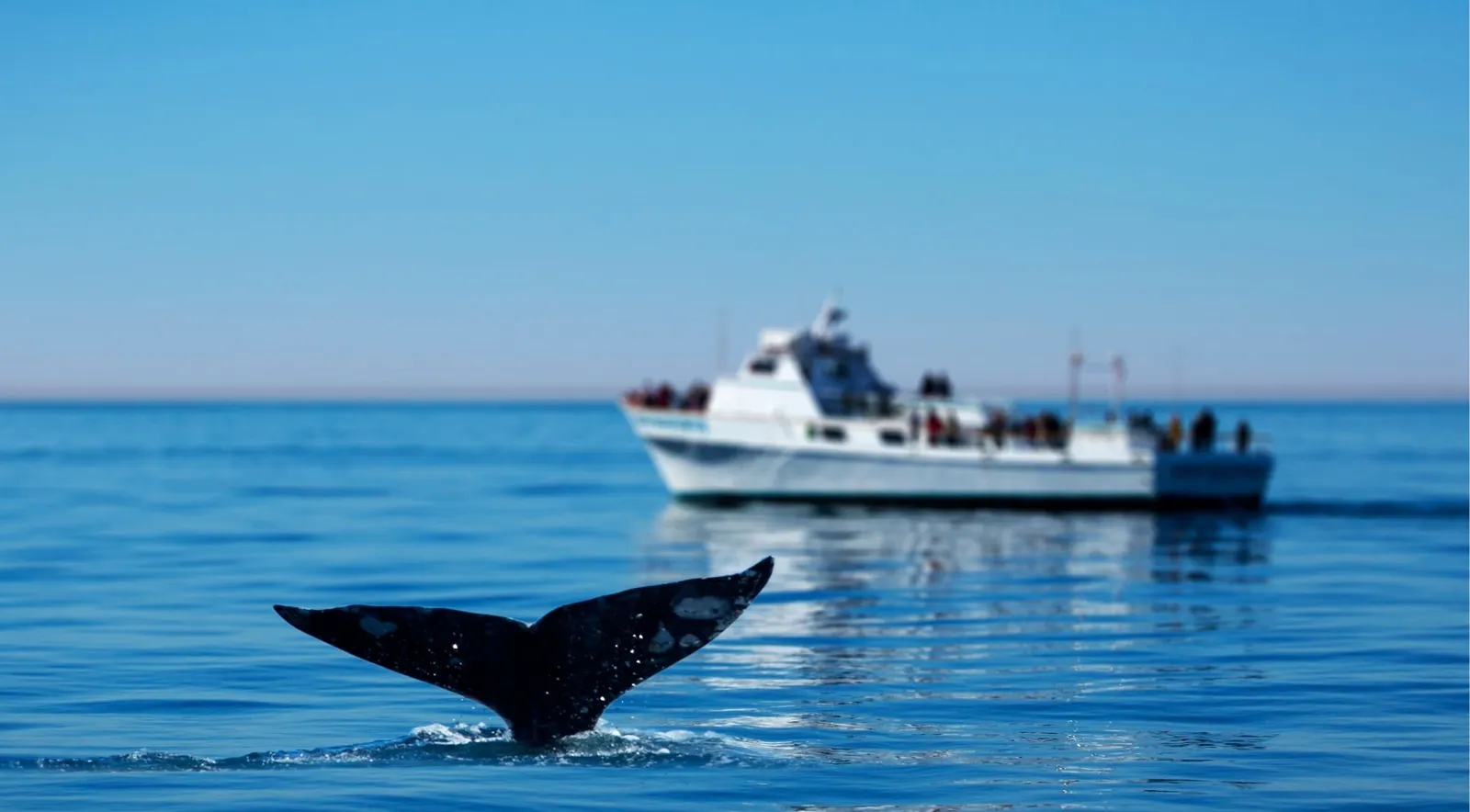
The short version
- Best overall: a 3-to-5-hour Salish Sea whale watching tour from Steveston or Granville Island — the highest wildlife payoff (orcas, humpbacks, sea lions, eagles) combined with the most dramatic Gulf Islands and mountain scenery.
- Zodiac vs. catamaran: Zodiac tours deliver speed, spray and intimacy for thrill-seekers and photographers; covered catamarans offer stability and warmth for families, seniors and anyone prone to seasickness — both reach the same whales.
- Best season: roughly May–September (peak July–August); book whale watching 1–2+ weeks ahead in summer, dress in warm layers even on hot days, and choose a Pacific Whale Watch Association operator with a sighting guarantee.
Why Salish Sea Boat Tours Are Special
The Salish Sea is the inland sea wrapping southwestern British Columbia and northwest Washington — encompassing the Strait of Georgia, the Gulf Islands, the San Juan Islands, Haro Strait and the Strait of Juan de Fuca. It stretches about 440 km and covers roughly 18,000 km², home to 37 mammal species, 172 bird species, 253 fish species and more than 3,000 invertebrate species (SeaDoc Society, Gaydos & Pearson 2011). The Fraser River empties right at Steveston, pouring silt and nutrients that make these waters extraordinarily productive.
The scenery is the other half of the magic: snow-streaked Coast Mountains as a backdrop, the forested bluffs of the Gulf Islands, lighthouses and kelp forests. In 2025, the Pacific Whale Watch Association's app received 50,323 wildlife reports — up 12% from 2024 — with Bigg's killer whales seen on 342 of 365 days and humpbacks on 314 days.
The Wildlife You Can Encounter
- Orcas (killer whales): Bigg's (transient) orcas — mammal-hunters, present near-daily; endangered Southern Residents (74 individuals, July 2025 census) are not targeted by responsible operators.
- Humpback whales: a conservation success story; best July–October.
- Gray whales: seen mostly March–May during their migration.
- Minke whales: present year-round, most common May–October.
- Steller and California sea lions, harbour seals, harbour and Dall's porpoises.
- Bald eagles: seen on most tours.
Worth Adding to Your Itinerary
Beyond whale watching, round out your time on and around the water with a Stanley Park bike tour, the Granville Island Public Market, the Capilano Suspension Bridge, Grouse Mountain and day trips to Victoria and Whistler.
The #1 Vancouver Boat Tour: Whale Watching
Duration: 3–5 hours depending on how far the whales are. Price range (2026): Vancouver Whale Watch large-Zodiac $195 adult, $175 students/seniors, $125 children; small-Zodiac $205 all ages (minimum age 8), plus taxes and fees. Departure points: Steveston Village (Richmond), Granville Island, and Coal Harbour/downtown.
Sighting guarantee: most reputable operators offer a free "come again" return trip if no whales are seen. Vancouver Whale Watch's guarantee has no expiry — valid for life (non-transferable). Insider tip: don't book your tour for your last day in town, so you can use the return pass if needed.
Zodiac vs. Covered Vessel
Open/semi-covered Zodiacs: sit low at the waterline; sea spray is part of the experience. Fast and agile — cover more ground, reach smaller bays. Guests wear anti-exposure/floater suits provided by the operator. Best for thrill-seekers and photographers. Watch-outs: usually a minimum age (often 8+).
Covered catamarans / cruisers: stable and roomy with indoor heated cabins, washrooms and viewing decks. Best for families with young kids, seniors, anyone prone to seasickness.
Seasickness tips: the Salish Sea is generally calm. If sensitive, take dimenhydrinate (Gravol) about an hour before departure, choose a covered boat, and sit toward the back.
Other Ways to Get on the Water
Harbour cruises. Narrated, open-air sightseeing cruises run about an hour past Stanley Park, Canada Place and the North Shore — a relaxed, budget-friendly way to see the city from the water without the whale-watching commitment.
Aquabus & False Creek Ferries. Two companies shuttle between Granville Island and stops around False Creek. Fares from ~$4; day passes ~$22. Best for budget sightseeing and getting to Granville Island, not a tour in itself.
Sunset & dinner cruises. A roughly 2.5-hour dinner cruise with a West Coast buffet and skyline views runs from around $137–$169 per person, seasonal May to mid-October — a good pick for an evening on the water without an early start.
Day boat trips to Victoria & the Gulf Islands. BC Ferries Tsawwassen–Swartz Bay threads through Active Pass and the Gulf Islands (~90 minutes sailing) — a scenic route in its own right, and easy to pair with Victoria's Inner Harbour and Butchart Gardens.
Seaplane tours. Harbour Air flies from Coal Harbour, steps from Canada Place. A 30-minute panorama flight over the city, mountains and coastline gives an entirely different perspective on the same Salish Sea waters below.
Kayaking & stand-up paddleboarding. Guided paddles from ~$65; rentals from ~$50–60. A calm-water paddle around False Creek and Granville Island is an easy, human-powered way to see the city from the water — a fjord paddle at Deep Cove and Indian Arm is the pick for a wilder setting.
Departure Points Compared
Steveston (Richmond) — best for whale watching. About an hour closer to prime whale grounds, plus a charming historic fishing village, Fisherman's Wharf, the Gulf of Georgia Cannery and Garry Point Park. It's a 35–40-minute drive south of downtown, though operators offer hotel shuttles for around $20 round trip.
Granville Island — best for combining with a city day. Central, 10–15 minutes from downtown, easy to pair a tour with the Public Market — but a longer boat transit to reach the whales than Steveston.
Coal Harbour / Canada Place — best for downtown convenience. Walkable from downtown hotels and the cruise terminal, and home to the seaplane and most harbour cruise departures — but the most distant option from the whale feeding grounds.
Best Time of Year for Vancouver Boat Tours
- Spring (March–May): gray whale migration; quieter, sometimes lower prices.
- Summer (June–August): prime time; nearly daily orca and humpback sightings, sunny conditions.
- September–October: excellent humpback activity, beautiful light, thinner crowds.
- Winter: most whale tours pause; harbour cruises and the Aquabus run largely year-round. For whales in winter, see our winter whale watching guide.
- Time of day: morning departures for the calmest seas; late afternoon/golden hour for photography — the full case is in our morning vs afternoon whale watching guide.
What to Wear and Bring
- Warm layers (moisture-wicking base, fleece mid-layer, windproof/waterproof shell), long pants, closed-toe non-slip shoes.
- Sunglasses, sunscreen, a hat.
- Camera with zoom lens, strap and a protective dry bag; binoculars.
- Gravol if prone to seasickness (take 1 hour before).
- Water and snacks for longer tours.
Booking Tips
- Book ahead: summer whale tours sell out; reserve 1–2+ weeks in advance for July–August.
- Look for a sighting guarantee with clear terms.
- Choose a PWWA member for safety standards, conservation practices and a shared spotting network.
- Match the boat to your party: covered catamaran for families and the seasickness-prone; Zodiac for adventure.
- Don't book your last day for whale watching — leave a buffer for the guarantee.
Responsible Whale Watching in 2026
- 1,000 metres from Southern Resident orcas (Interim Order, June 1, 2026–May 31, 2027).
- 200 metres from all other killer whales.
- 100 metres from other cetaceans.
- Max 7 knots within 1 km of killer whales.
- Drones require a permit near marine mammals.
- Penalties up to $250,000.