The short version
- Best overall choice for most Vancouver-based travelers: Steveston Village in Richmond, thanks to short boat transit, high peak-season sighting rates and easy mainland access.
- Best all-around island hub: Victoria, with the widest operator choice and easy access to Haro Strait.
- Best for resident-orca specialists: Telegraph Cove and Campbell River on northern Vancouver Island, especially mid-July to mid-September.
- Best for gray whales: Tofino and Ucluelet in spring, with humpbacks strong there in summer.
Understanding the Orcas You Might See
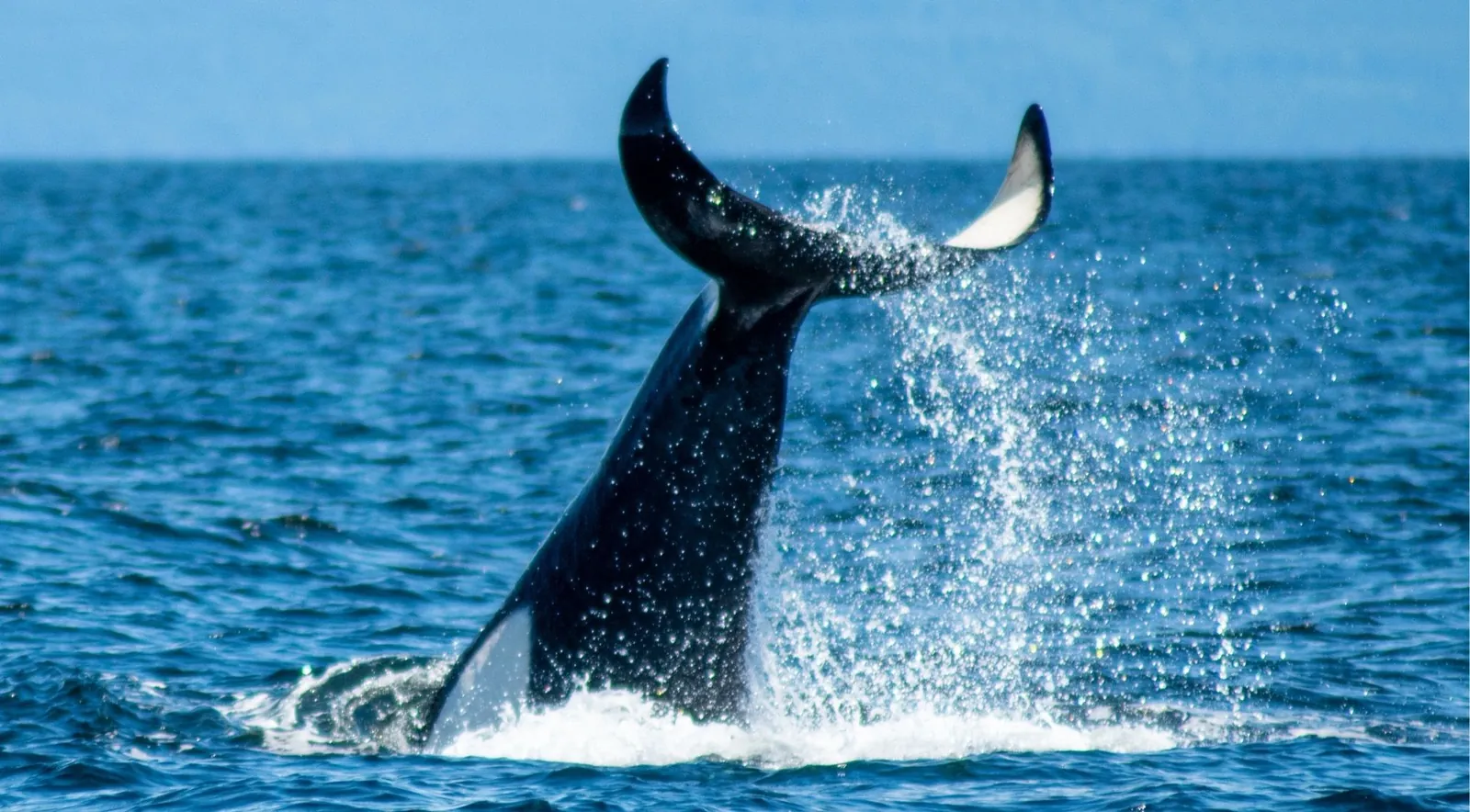
Bigg's (transient) killer whales are the orcas most visitors actually see on tours from Vancouver, Steveston and Victoria. They hunt seals and sea lions, travel in smaller groups and now use the Salish Sea heavily. If your goal is simply to see wild orcas, these are your best odds.
Southern Resident killer whales are the endangered salmon-eating population associated with J, K and L pods. They are legally protected and reputable operators do not target them.
Northern Resident killer whales are the fish-eating population that makes Johnstone Strait and the waters around Telegraph Cove such a bucket-list destination in late summer.
Top Destinations Compared
Steveston / Vancouver. Best for convenience, first-timers and anyone already staying in the city. Boats from Steveston get you closer to the Gulf Islands grounds than downtown departures, making it the strongest mainland launch point. See our full Steveston Village whale watching guide for the day-trip version.
Victoria. The broadest operator choice and the closest city access to Haro Strait, the Gulf Islands and Juan de Fuca waters. If whale watching is the main event and you do not mind crossing to Vancouver Island, Victoria is hard to beat.
San Juan Islands. The classic US option, especially for visitors already planning a Washington trip. Lime Kiln Point gives you one of the best shore-based whale lookouts anywhere, but it is a longer journey from Vancouver.
Telegraph Cove / Johnstone Strait. The premium specialist destination for Northern Residents and multi-day wildlife trips. Remote, expensive and absolutely worth it if whales are the whole point.
Campbell River. A more practical eastern Vancouver Island base for long expeditions into the same northern whale corridors.
Tofino / Ucluelet. Best for gray whales in spring and a wilder, open-Pacific feel. This is less about convenience and more about combining wildlife with surf, rainforest and west-coast scenery.
Other Experiences You Might Enjoy
If this trip is turning into a full BC wildlife itinerary, also look at Steveston Village, Victoria, Tofino, Campbell River, Telegraph Cove and classic Vancouver experiences around Granville Island and the Stanley Park waterfront.
Tofino and Ucluelet still belong in the comparison because they are the standout west-coast choice for gray whales and a wilder, open-Pacific setting. The trade-off is that this is more of a full island trip than a simple add-on from Vancouver, best paired with Long Beach, Pacific Rim National Park and Clayoquot Sound rather than treated as a quick whale-only outing.
Who Should Go Where?
- First-time Vancouver visitor: Steveston or Granville Island, depending whether you want shorter transit or a more central departure.
- Dedicated whale-watching trip: Victoria if you want easy logistics; Telegraph Cove if you want the iconic resident-orca destination.
- Photographers: Steveston Zodiacs, Victoria Zodiacs or Telegraph Cove during the late-summer resident-orca window.
- Families and seasickness-prone travelers: covered boats from Victoria or Vancouver.
- Gray whale priority: Tofino and Ucluelet in spring.
- Winter visitor (November to March): Victoria, the main base for winter whale watching in Canada.
- Shore-based dreamers: Saturna Island or San Juan Island, but only if you accept that success is unpredictable.
2026 Regulations and Ethical Watching
Responsible whale watching in BC means distance, speed limits and knowing which animals should be left entirely alone. In southern BC, endangered Southern Residents have the strictest buffers, while other orcas and whales still require meaningful stand-off distances. In Washington, the protection zone around Southern Residents is even larger. Practical takeaway: choose established operators, look for Pacific Whale Watch Association standards, and do not judge a good trip by how close the boat gets.